

Stop Working the Same Denials Twice: A Smarter RCM Strategy for Independent Labs
A laboratory receives a denial. Someone investigates it, corrects it, resubmits or appeals it, and eventually gets it paid. Then another claim gets denied for the same reason next month.
That is not a billing win. It is expensive repetition.
As independent laboratories prepare for 2027, one of the biggest opportunities is not simply working denials faster. It is preventing more of them before they happen.
This matters across clinical, molecular, pathology, toxicology, genetic and NGS laboratories because each specialty carries payer rules, documentation requirements and coding details that generic billing workflows may miss.
Move Denial Management Upstream
Traditional denial management begins after the payer rejects the claim. By then, the lab has performed the test, submitted the claim and spent resources processing it.
A stronger model starts before submission and asks: what can we validate before this claim reaches the payer?
Verify Coverage Earlier
The ADS laboratory billing platform includes payer based pretest eligibility verification and out of network alerts designed to identify potential problems earlier in the process.
- Inactive coverage
- Incorrect payer information
- Plan discrepancies
- Subscriber errors
- Out of network issues
- Patient responsibility questions
Correcting an insurance problem before billing is easier than chasing the claim after rejection.
|
Stop sending preventable denials downstream. ADS helps laboratories identify payer and eligibility problems earlier so billing teams spend less time correcting avoidable rework. Schedule a Lab Billing Conversation |
Put Guardrails Around Orders
Laboratories depend on the quality of information coming from ordering providers. Missing information can quickly become a billing problem.
- Diagnosis information
- Patient demographics
- Ordering provider details
- Insurance information
- Required documentation
- Authorization information
These controls are not simply administrative. They protect revenue by reducing preventable claim failures.
Catch Medical Necessity Issues Before Submission
Medical necessity remains a major source of laboratory denials. Workflows should account for applicable National Coverage Determinations, Local Coverage Determinations and commercial payer policies.
The objective is to find the mismatch while there is still time to correct it. Once a claim is denied, every additional touch adds cost to collection.
Make Every Denial Teach You Something
Some denials will still happen. When they do, the laboratory should learn from them.
Denial received -- root cause identified -- claim corrected -- appeal submitted when appropriate -- workflow updated.
The last step is the difference between denial management and denial prevention.
If one payer repeatedly denies the same molecular test because of authorization requirements, that information should change the front end workflow. If one location submits incomplete diagnosis information, that problem should be addressed at the ordering process.
Standardize Appeals
For high volume payers and recurring denial categories, laboratories should have defined appeal workflows that include filing deadlines, documentation requirements, portal procedures, appeal levels, responsible staff and follow up dates.
A high dollar molecular or NGS claim should not be handled the same way as a minor administrative correction. Prioritization should reflect dollar value, filing deadline, denial reason, payer and likelihood of recovery.
Where Automation Helps
Automation is valuable when it removes repetitive work and helps staff identify problems sooner. In laboratory RCM, useful applications include eligibility verification, claim scrubbing, missing information detection, work queue prioritization, denial categorization, payer rule checks, EOB reconciliation, claim tracking and analytics.
ADS provides automated EOB reconciliation, real time claim tracking, alerts, eligibility capabilities and reporting as part of its laboratory billing solutions.
|
Give billing teams better visibility. ADS and ADSRCM provide laboratory financial and operational analytics, dashboards and drill down reporting so teams can see where revenue is moving and where it is getting stuck. Talk to an ADS Expert |
Where AI Fits Without the Hype
AI can support laboratory RCM when it solves a specific problem. It may help identify claims that deserve closer review before submission, categorize denials, prioritize work queues or organize appeal information.
The best question is not whether the billing system uses AI. The better question is what problem the technology is solving and how human review remains part of the workflow.
Connect the LIS and Billing System
Laboratory billing does not operate by itself. Data moves between the ordering workflow, LIS or LIMS, billing system, clearinghouse and payer. Every unnecessary manual step creates another opportunity for information to be delayed, overlooked or entered incorrectly.
ADS laboratory billing technology integrates with virtually any LIS or LIMS and supports clinical, toxicology, pathology, genetic, molecular and complicated NGS billing.
Five Questions to Ask This Month
- Which denial reason is costing us the most money?
- Which payer is generating the most denied dollars?
- Which tests repeatedly require billing rework?
- How many preventable denials are we correcting more than once?
- What can we change upstream so those claims do not fail next month?
From Reactive Billing to Preventive RCM
The traditional model is test, submit, wait, denial, correct, appeal and wait again. A healthier model is verify, validate, submit, monitor, learn and improve.
One model accepts rework as part of doing business. The other keeps removing the reasons for rework.
See Where Your Laboratory Can Improve
Advanced Data Systems has worked with healthcare organizations since 1977 and offers laboratory billing software and ADSRCM services designed for specialized laboratory requirements.
|
Do not keep working the same denial twice. Find the cause, fix the workflow and protect the next claim with ADS laboratory billing software or ADSRCM services. Call 1-800-899-4237 ext. 2264 to schedule a Lab Revenue Review. Complete the Free Scorecard Schedule a Lab Revenue Review |
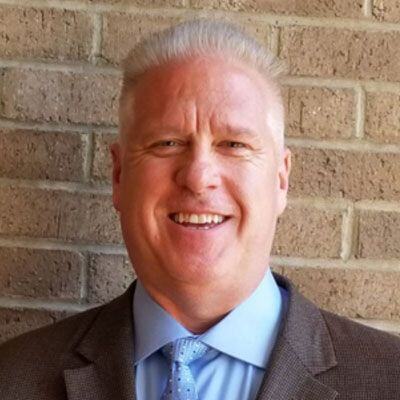
About Jim O'Neill
As the company’s Laboratory Services Business Development Manager, Jim has 30 years’ experience in LIS and financial systems including 20 years as the owner of CSS (Avalon LIS). With a Bachelor’s degree in information technology from Rowan University, Jim has worked / consulted with over 500 labs in the US and internationally in improving their LIS and financial solutions. Jim is genuinely people-oriented and civic-minded; he’s the former Mayor of Northfield NJ and is currently on the town’s council. Feel free to reach out to me at 1-800-899-4237 ext. 2264